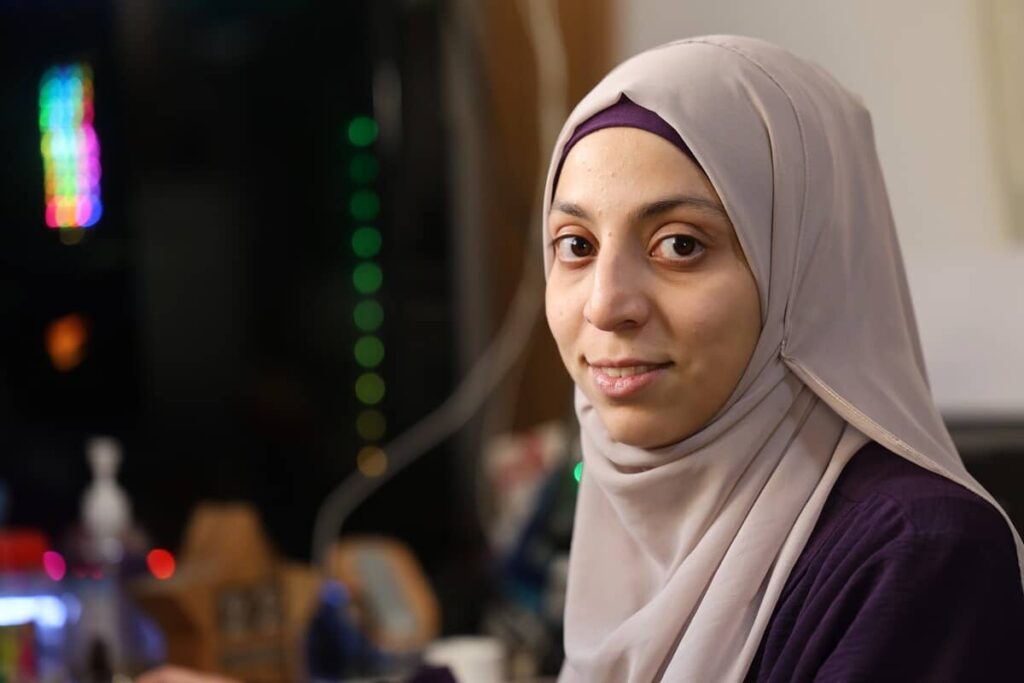
Damaris Abuye, Mukuru Slum, Nairobi
Why Safe Cities?
Too many women live much of their lives in fear. In fear of men, both those they know and those they don’t. This is true in every country, Ireland and elsewhere.
Here though, that daily concern is not as great as for the millions, especially in the developing world, who face sexual abuse ranging from casual groping on crowded public transport to random rape whether in secluded places or even, almost unimaginably, in public spaces.
We have read recently of Indian girls gang-raped on buses or abducted, raped and left hanging dead from trees. We are shocked and repelled both by the acts and by the failure in some cases of the authorities to investigate and prosecute. But these much publicised horrors must not leave us insensitive to the overall scale of the global problem, to the daily harassment of women that ranges from the verbal to the physical, from name-calling to touching, to beating, to rape.
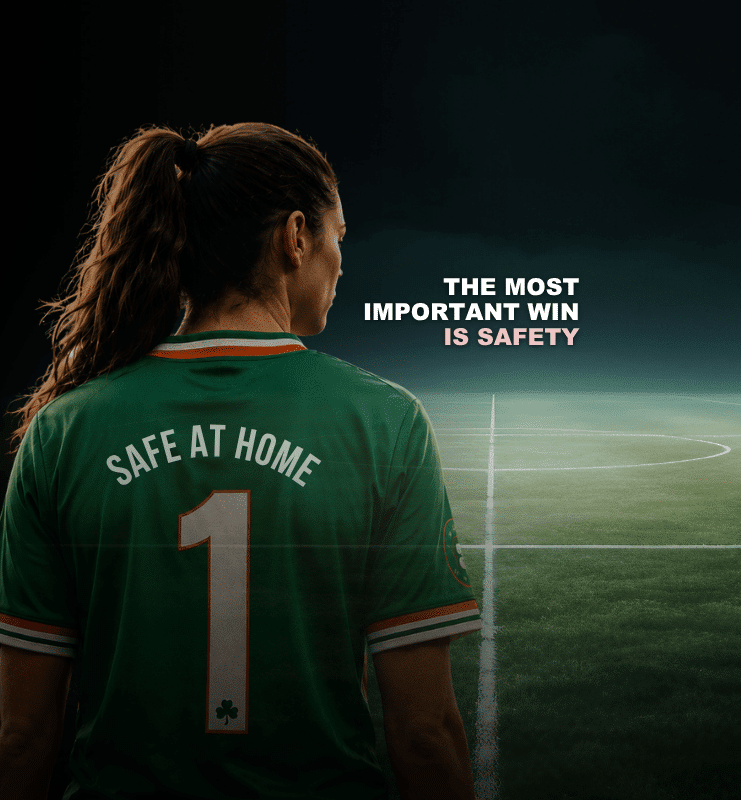
There has always been abuse perpetrated against women but rising urban poverty and inequality, underpinned by a deeply embedded patriarchy, is feeding rising levels of sexual violence and a culture of fear of it in cities and urban spaces. It is for that reason that ActionAid and its national affiliates are beginning a Safe Cities for Women campaign, being launched this month and in which ActionAid Ireland will play its role in helping build a strong local, national and international movement demanding and end to sexual violence and promoting an alternative vision of the city.
Stopping violence against women and girls has emerged as a key priority in the post-2015 agenda. Dublin City Council became the first of the developed world’s capitals to join the UN Women’s Safe Cities campaign, “not”, according to the Council, “because Dublin is particularly unsafe but because we want to be proactive, not complacent, and to put in place improvements where necessary.” This UN initiative is driven by local authorities in partnership with civil society, grassroots women’s organisations, policing bodies, national governments and others, now including with its own approach, ActionAid. The organisation wants to raise awareness and through co-operation with the Dublin city authorities, with the National Women’s Council and others to link the national and the international in seeking ways to improve the safety of women in the cities of the world, now home to half the population of the globe.
ActionAid’s Campaign
The campaign here will contrast the juxtapositions between comparatively safe cities in Ireland, with Irish women having access to safe transport, water, sanitation and planning, and unsafe cities in its partner countries such as Kenya, Nepal and Cambodia and will invite supporters to campaign and donate in solidarity. Sexual violence stops women from moving freely from their homes and blocks them from enjoying the equal rights to public spaces that men have.
On a recent visit to East Africa I had the opportunity to visit ActionAid Kenya who introduced me to some of the female slum dwellers in Nairobi and Mombasa whose lot the international campaign hopes to improve. A 2006 population survey revealed that while 60% of those living in the capital were in slums, only 22% of slum households had water.
Damaris’s Story
In the city’s densely-populated Mukuru slum, itself and illegal settlement, I met Damaris Abuye who told me how the lack of service provision created the fear that affects her life. At 7.30pm she will lock her front door. She will not open it again till morning. She will sit on her one chair or lie on the bed that occupies half of the less than 3 square metre rented tin walled alleyway room. Her night is lit by a kerosene lamp standing amid the clutter of her meagre possessions. To leave this dimness even for a call of nature would require a 10-minute walk to the row of seven toilets that serve her section of the massive slum.
Nancy’s Story
Nancy Kerubo says she must be asleep by 8pm. “I can’t go to the toilet which is a kilometre away. ,Gangs wait next to the toilets. A girl I know was raped by three men went she went there. Now she is HIV Positive.” Physical violence by husbands is also a regular feature of life for these women. I saws cars left after beatings and was told of damage done to a child in the womb by one husband. The slum women also live in fear of attack from gangs of youths who stab at random either in the course of robbery or just for the hell of it. There are inadequate laws and policies in place to protect women in girls in public spaces and poor or non-existent enforcement of laws when they do exist. Violence has become normalised and accepted as part of city life, with women and girls who report cases treated casually, blamed or criticised. In all the targeted cities there is no accountability for those who are supposed to be providing services to women and girls or securing their access to justice or personal safety.
Sauti Wanawake the Voice of Women
There is a wholesale culture of impunity for men who inflict sexual violence on women, deterring women from reporting crimes when they happen. In Kenya, two of every five abused women believe that there is nothing they can do to make Nairobi safer. I asked a group of women if they felt reporting sex crime to the police was effective. “No, no,” they replied as one. Beside Kenya’s Indian Ocean holiday playground of Mombasa lies the village of Ziwa La Ng’ombe, another slum settlement but a legal one. Like Mukuru, Ziwa La Ng’ombe is unlit by night, unsafe, easy ground for robbers and burglars and for rapists too, here not grabbing women who dare to go to the toilet, but seeking girls sometimes as young as 10 to lure or haul to the nearby quarry to defile and sometimes kill or perhaps toss captive into one of village’s many “guest house” euphemisms for brothels. Physical and sexual abuse of girls and women abound here too.
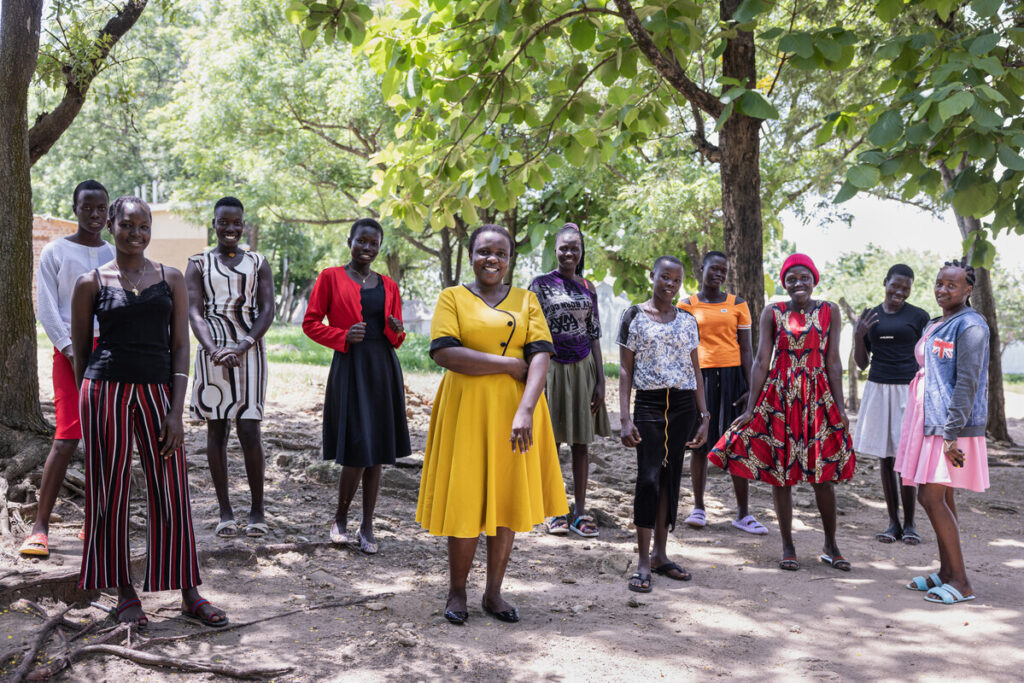
So is all hopelessness? No. Sauti Wanawake the Voice of Women, which has a chapter in this village, has grown in strength. Women, they say, now know their rights; early marriage of girls as young as 9 years old has decreased; school attendance rates have increased; women are participating in leadership by standing for local election with some chosen as village elders and even chiefs. “ActionAid has empowered us,” concludes Elizabeth Mkongo. Their task now is to hold to account the local and national authorities who promise change but are slow to deliver it.
Development is about more than improving health and education services and agricultural production. It must place the person and his and her rights at its core. So these women in the slums of Nairobi and Mombasa both learn and teach to end the apparent counsel of despair reflected in their stories. So through Safe Cities for Women the two worlds – north and south – can come together to fight for women and girls.
Launch in Ireland
On July 21 ActionAid launches its campaign. ActionAid Kenya will seek to establish networks to mobilize women and girls to hold government and city authorities to account, organizing women to monitor effective implementation of law and policy and the delivery of public services within informal settlements. Much to do. ActionAid Ireland is trying to help them. Through your support we can all help.