ActionAid Kenya, funded by Irish Aid and in partnership with ActionAid Ireland, are supporting a powerful women’s network aimed at eradicating Female Genital Mutilation (FGM) and gender-based violence.
ActionAid Ireland Head of Programmes, Grainne Kilcullen, writes about a recent visit to Kenya.
The dusty road from Garissa town to Kamuthe village near the border with Somalia in north-eastern Kenya is straight but bumpy. En route we see a herd of gangly giraffes taking cover from the searing hot sun under a group of trees. They portray a perfect picture of peace.
However, there is a menace behind the tall trees and dense shrubbery which serve as a hide-out for Al Shabaab, the lethal Somali-based terrorist group that wants to impose Islamic rule in this region. The threat of violence is ever present.
In recent years there have been deadly attacks by Al Shabaab in north-east Kenya. In 2015, 147 university students were murdered in Garissa, the town we are based in for our visit. And in 2020 three teachers were murdered in an attack in a primary school in Kamuthe, where we are headed now.
When we arrive in Kamuthe we are greeted by members of the Kamuthe Women’s Network. With support from ActionAid Kenya and Ireland, and funded by Irish Aid, the network focuses on women’s rights and eradicating gender-based violence, including FGM, and promoting equality.
FGM, also known as female circumcision, is the collective name for barbaric procedures that involve partial or total removal of the external female genitalia for non-medical reasons. The practice has no health benefits for girls and women and causes severe bleeding. It can also result in problems urinating, cysts, infections, as well as complications in childbirth and increased risk of newborn deaths.
Despite being outlawed in Kenya in 2011, FGM remains a pressing issue in the country – and other parts of Africa – largely due to traditional beliefs and practices. Thousands of Kenyan girls still undergo this painful, and dangerous procedure to maintain their social standing and improve their chances of a good marriage.
The practice of FGM is recognized internationally as a violation of the human rights of girls and women. It reflects deep-rooted inequality between the sexes, and constitutes an extreme form of discrimination against girls and women. It is nearly always carried out by traditional practitioners.
Makka’s story
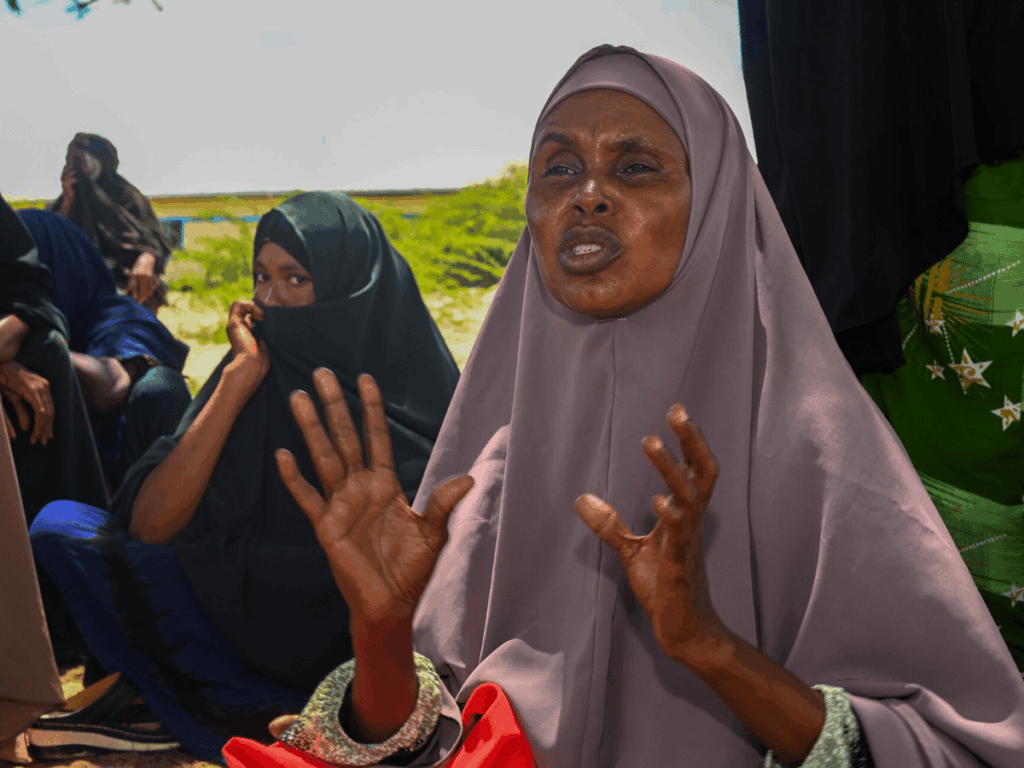
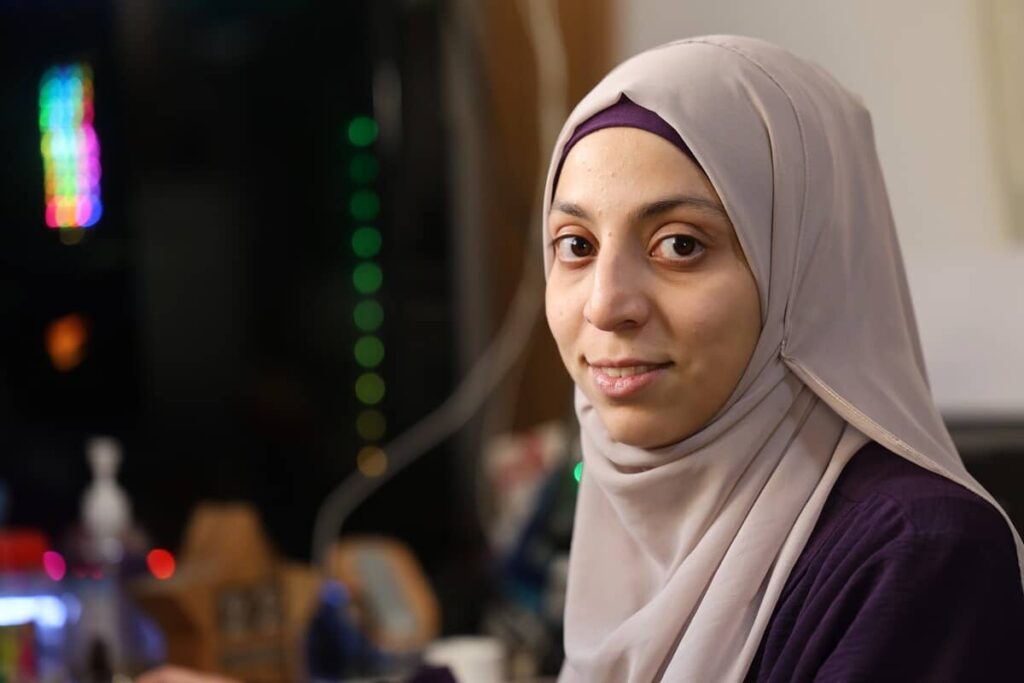
The dynamic group leader, Makka Kassim, stands out. In a flowing, colourful hijab, she proudly leads us to the Kamuthe’s women and girls safe house and resource centre. There are armed police at the entrance, but Makka glides past them explaining to us how the centre provides a safe and secure place for girls and young women fleeing FGM, forced child marriages and other forms of sexual violence
Makka is a courageous and outspoken woman leading the campaign against FGM in the region, and tirelessly working to protect the lives of women and girls from all forms of gender-based violence. Aged 47 years and a mother of six, she is one of the founding members and chairperson of the Kamuthe Women’s Network. Established in 2012 along with three other women it has grown over the last 12 years, and expanded into neighbouring villages with approximately 2,559 members today.
Makka is as a survivor of FGM and forced child marriage, and her experiences have given her the drive to bring change within her community. This is no easy task given the deeply embedded harmful practices and the gender discrimination in the area where women and girls are considered property with little choice over their own lives.
Makka was born in Garissa county to nomadic parents. At the age of seven she was subjected to FGM, which was so excruciating that she fell, tore the stitch, and was forced back to the same woman to be re-stitched.
Although she was the first girl in her family to go to school, at 16 she was married off to a man from a different tribe. When she moved to his family home she was considered an outsider by his community. After giving birth to six children – three boys and three girls – she started to question the practice of FGM and its origins.
This resulted in her being accused by community members of witchcraft and attempting to convert women away from Islam. Her husband ran her out of their home.
After seeking refuge in her neighbour’s house, she returned after a week to ask her husband to hear her out and attend a meeting she was organising within the community about resisting and stopping the practice of FGM. He agreed to attend.
During the meeting he stayed quiet. As the end he stood up and asked: ‘Is this what you have been saying to women?’ When Makka said “yes”, he replied: “I am with you. I will support you.”
Makka’s husband emerged as a male champion in the fight against gender-based violence and gender inequality, rallying other men to join the Mens’ Network against FGM.
This was the start of an extraordinary journey.
A passionate champion for women and girls
Makka tirelessly went door to door, urging women to join her cause. Makka and her fellow activists officially registered the Kamuthe Women Network in 2016. They encountered obstacles and resistance but to confront the taboo around FGM, Makka and her team started dialogues with cultural and religious leaders to shift the thinking. Today, she gets support from religious and cultural leaders, men, and young boys, former women cutters and survivors of FGM.
In addition to addressing FGM, Makka and her team handle cases of forced child marriages, defilement, and various other forms of violence within and outside the community. The Network not only raise awareness about these issues, but also report cases and provide necessary support and safety measures for survivors.
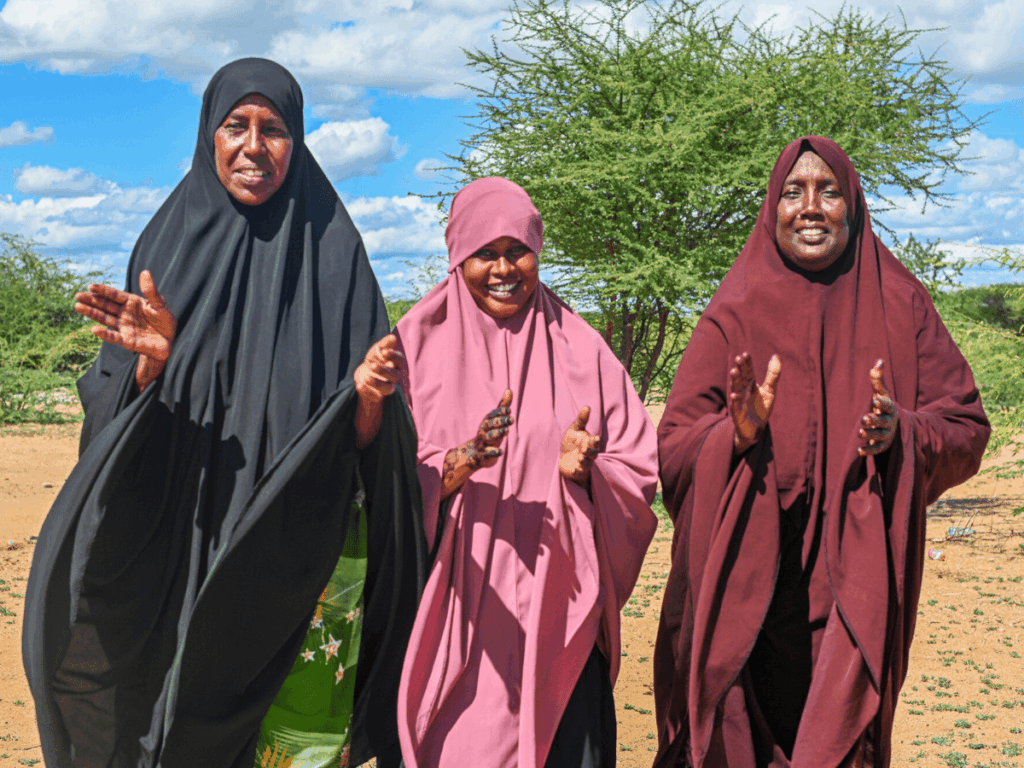
Despite numerous setbacks, Makka and her team stay committed to challenging harmful practices and advocating for change.
In particular, Makka and her team are empowering survivors of FGM through education. They work to build the girls confidence by giving them knowledge and leadership skills to pursue education with unwavering determination, and to challenge FGM practices.
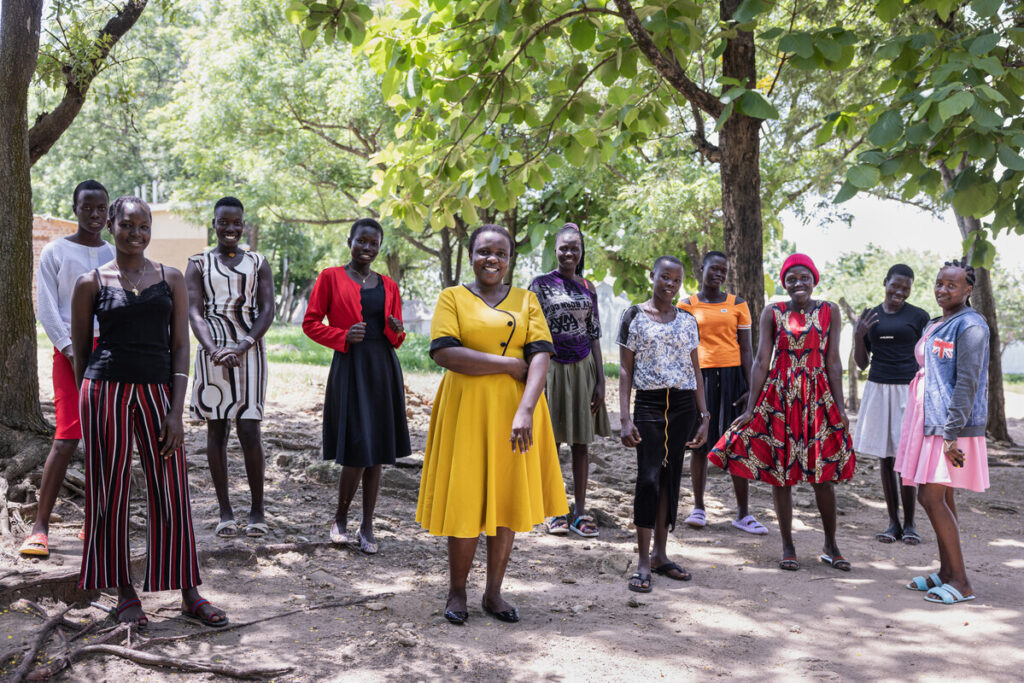
In our discussion with the girls, some were reluctant to talk about their feelings. But those who did were able to share their dreams – and commitment to ending FGM and other forms of violence to promote equality in the community.
The Kamuthe safe shelter for vulnerable girls and young women
The safe house in Kamuthe village constructed with the support of ActionAid Kenya and operated by the Kamuthe Women Network was opened in 2019. It is situated at Kamuthe Primary School and serves not only as a shelter, but as a resource center for girls and young women who have been rescued or have fled their homes due to FGM, child marriage, defilement, or other forms of violence. At the centre women also have the opportunity to develop livelihood skills.
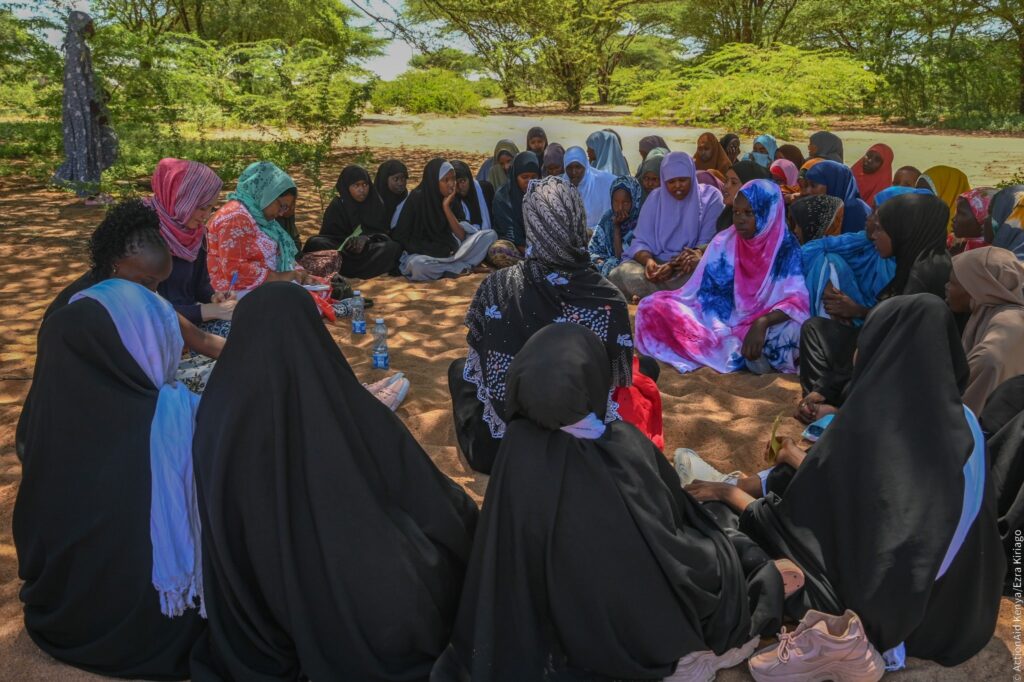
During our visit, we also engage with various stakeholders, duty bearers, community leaders and women’s rights networks and organizations and learn of a concerted effort to combat gender-based violence in Garissa County through the Garissa County Gender Technical Working group. We observe Makka’s significant presence and active participation in these networks and platforms.
Makka and the Kamuthe Women Network also collaborate with Womankind Kenya, contributing to its FGM committee advocating for the implementation of policies prohibiting FGM
The future
Despite the extensive efforts of Makka and her team to eradicate FGM and other forms of violence, they continue to encounter significant obstacles. FGM remains prevalent in the region, even though there is some shift to Sunna FGM, regarded as a less grievous form of FGM.
But FGM has not stopped completely, and cases of defilement are on the rise. Accessing justice is a major challenge for Makka and her team due to administrative complexities.
Furthermore, corruption and lack of police support pose a serious threat to survivors’ access to justice. Within families survivors often drop cases against perpetrators. Alternative dispute resolution mechanisms run by elders poses a significant threat to survivors of FGM and GBV, as many elders accept bribes to terminate cases. But Makka will not waver in her quest. She will continue her work to ensure a better future for young girls in Kenya, and ActionAid will stand side by side with her.